Brazil is South America’s largest market for outdoor building materials, and its WPC sector is growing at more than 10 percent a year. Several forces drive this growth. The Amazon deforestation crisis and Brazil’s Forest Code have made sourcing native hardwoods such as Ipe and Cumaru expensive and legally complex, pushing architects and consumers toward certified alternatives. Brazil also has more than 1,800 LEED-certified green building projects, the most in Latin America, and composite materials help developers earn sustainability credits. Meanwhile the country’s huge tourism industry along the Northeast coast needs fencing and decking that survive salt spray without constant repair.
The climate makes the case even stronger. In tropical Brazil, rainfall can exceed 2,000 mm a year and average humidity sits above 80 percent. Timber fences absorb that moisture, swell, grow mold and rot from the base up. Termites and fungi attack anything cellulose-rich. Painted steel fences corrode quickly near the ocean. Owners end up repainting or replacing fences every few years.
Our WPC fence system solves these problems at the material level. The boards blend recycled wood fiber with high-density polyethylene and UV stabilizers, and the co-extruded cap seals the core on all four sides so moisture has no way in. The fence will not rot, warp, splinter or feed termites, and its color holds far better than painted wood under the strong Brazilian sun. There is no painting or sealing schedule – just an occasional rinse with water. For coastal resorts and beachfront condominiums, composite boards shrug off salt air that destroys metal and wood alike.
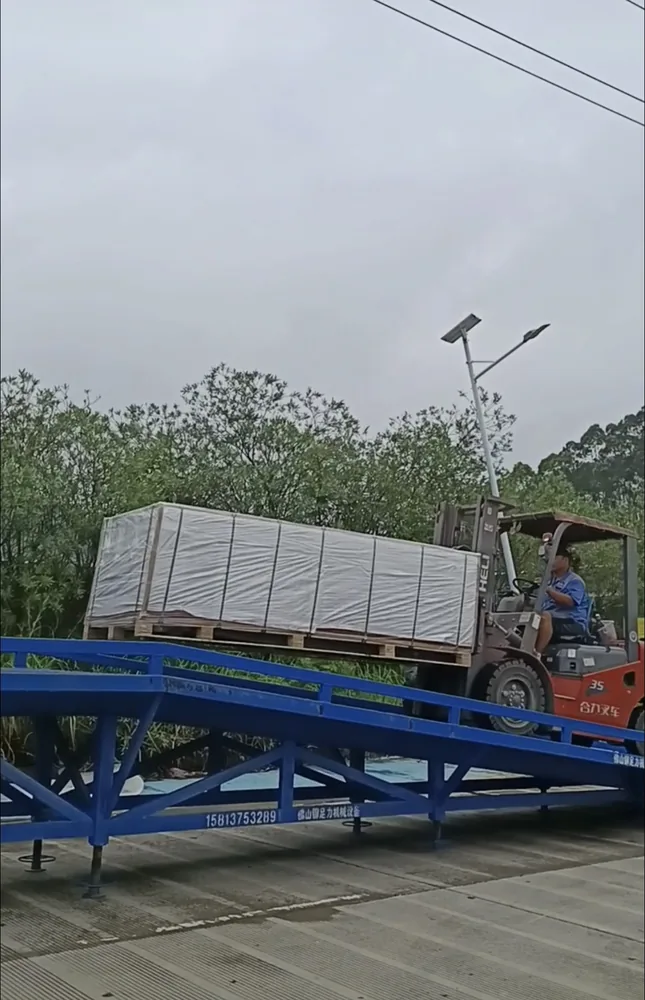
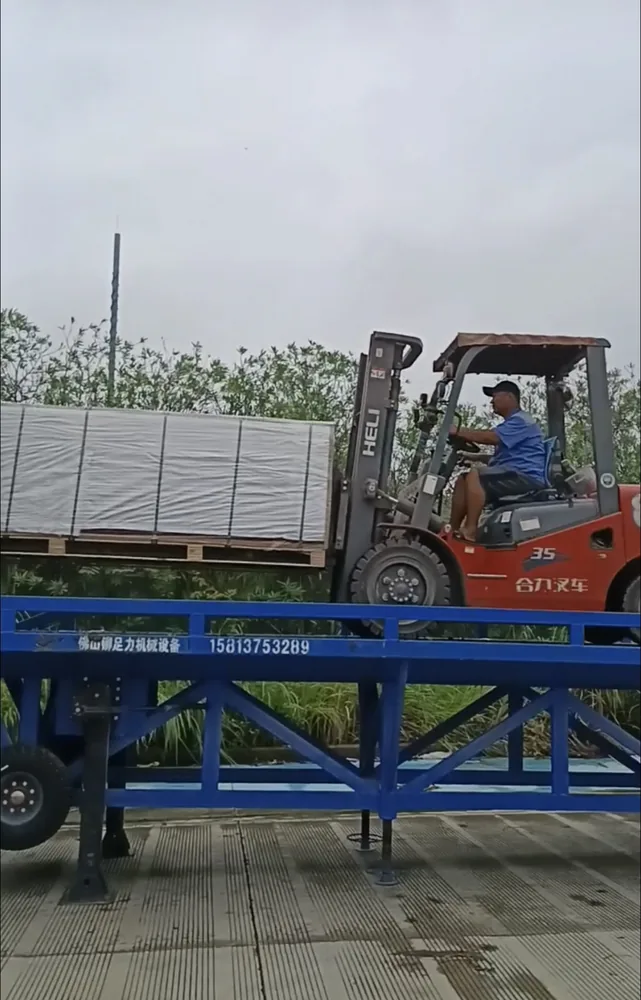
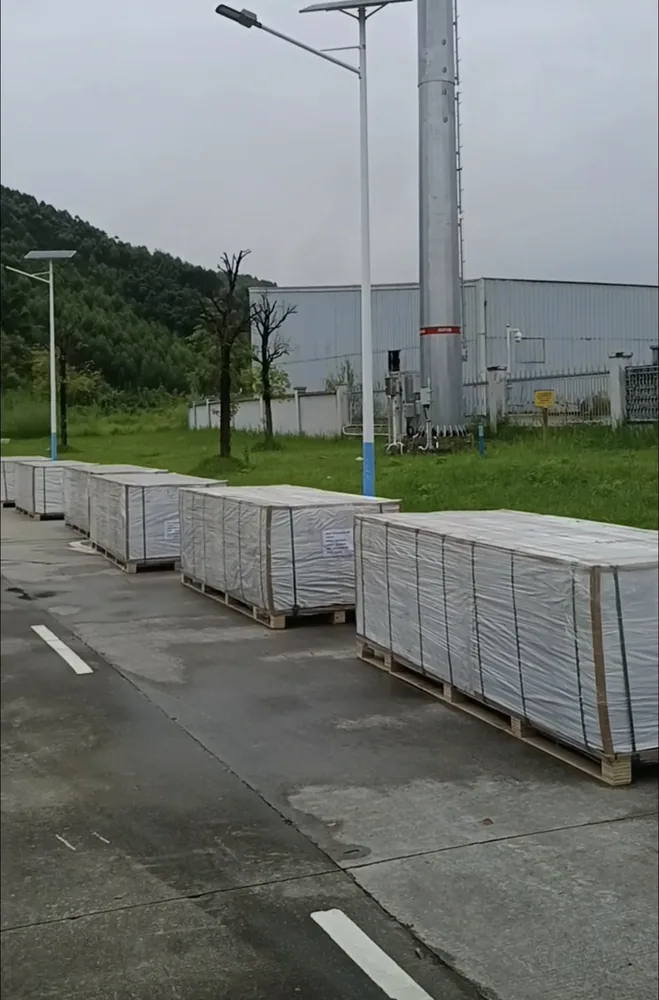
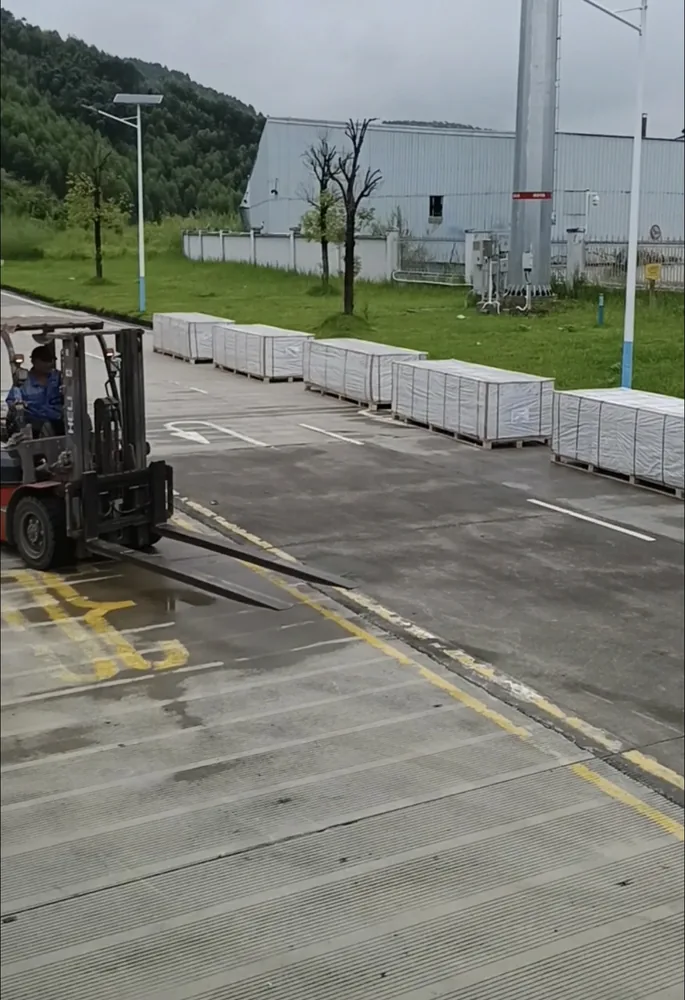
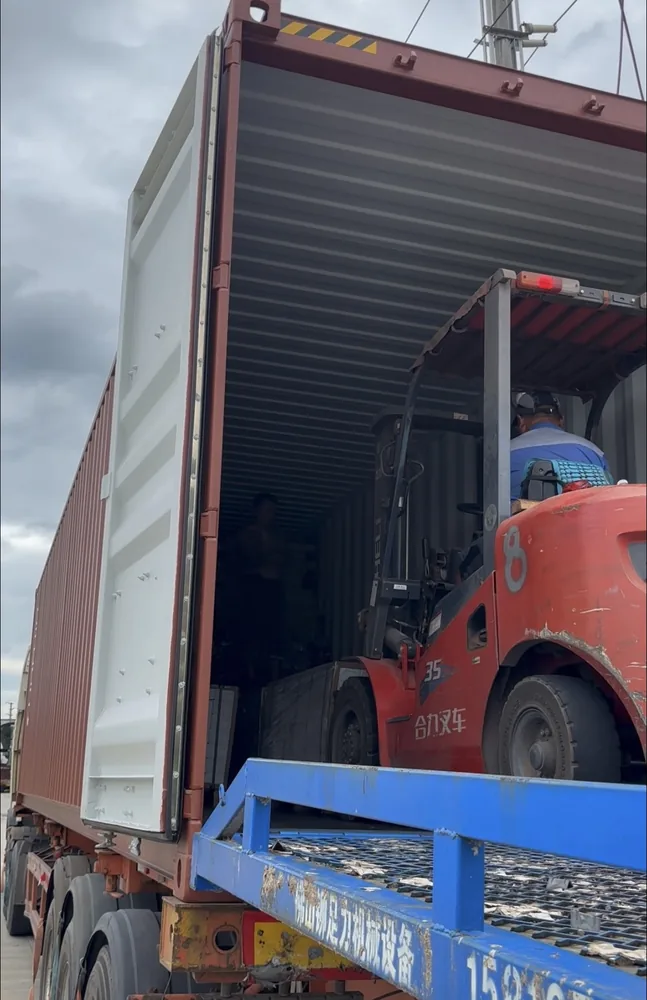
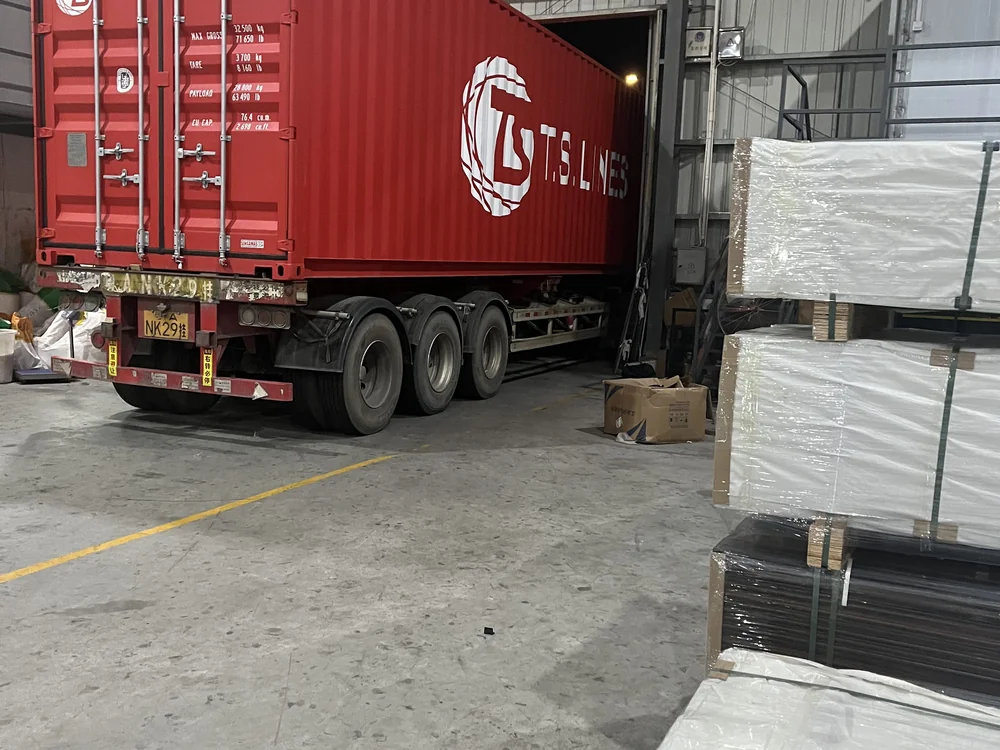
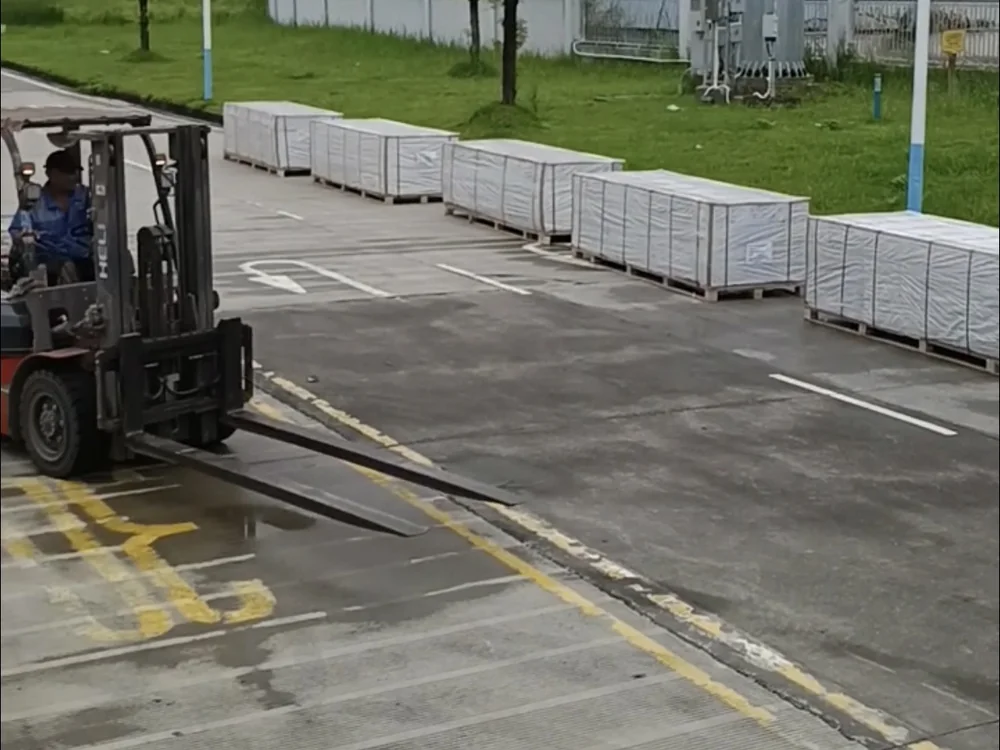
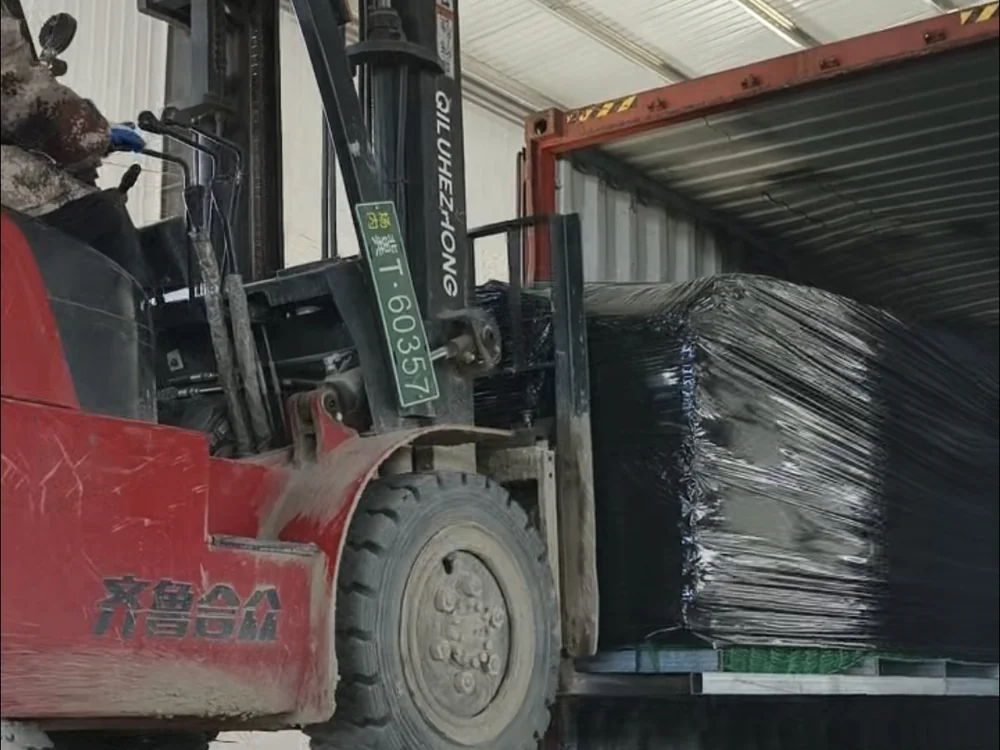
For this May 2026 order, the Brazilian customer purchased a complete container of WPC fence boards, posts and accessories, loaded at our Anping factory and shipped to the Port of Santos region. Our packing team wrapped every bundle in waterproof film, separated boards with protective layers and strapped each pallet for the long ocean voyage. The customer sent back these photos after unpacking, confirming everything arrived in perfect condition.
Brazilian importers are increasingly looking for direct partnerships with Chinese factories to bypass middleman markups while keeping premium, capped WPC quality. We are glad to be this customer’s long-term factory partner and look forward to serving more of the Brazilian market.
As a direct WPC factory, we ship regularly to Brazilian ports with full export documentation, and we support distributors with OEM colors, 3D wood-grain finishes and complete accessory kits. If you are building your composite fencing supply line for Brazil, contact us for samples and a container quotation.