Composite decking has moved from a niche product to a mainstream choice in Canadian construction. Industry estimates put composite materials at roughly a third of the Canadian decking market, and still rising. From backyard patios in Ontario to waterfront boardwalks in British Columbia and hotel terraces in Quebec, builders and homeowners are choosing WPC decking for one simple reason: it survives Canadian weather.
Canada’s climate is brutal on natural wood. Water enters the timber grain, freezes, expands, and splits the board – a cycle repeated every winter. Snow sits on decks for months, and meltwater feeds mold and rot in provinces like Manitoba and Newfoundland. Summer UV then bleaches and dries the damaged surface. A pressure-treated wood deck can show cracks and raised grain after only three to five winters, and demands sanding, staining and sealing every year in a short maintenance window.
Our WPC decking is designed to end that cycle. The boards combine recycled wood fiber with recycled HDPE and performance additives, capped by a co-extruded polymer shell that blocks moisture absorption almost entirely. With very low water uptake, freeze-thaw cycles cannot split the board, and the material stays dimensionally stable from minus 40 to plus 35 degrees. The cap also resists UV fading, staining and mold, and the embossed anti-slip surface performs well in wet and snowy conditions. Maintenance is a simple soap-and-water wash – no staining, sealing or painting for its 20 to 30 year service life. Made largely from recycled content, the boards also support Canada’s green building goals and LEED documentation.
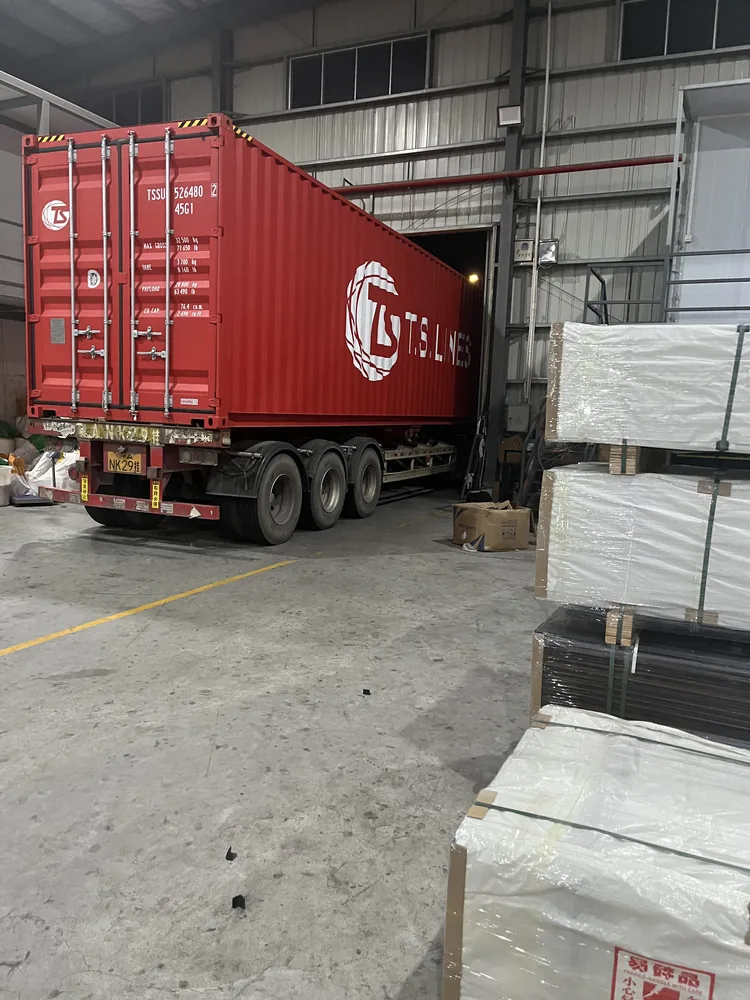
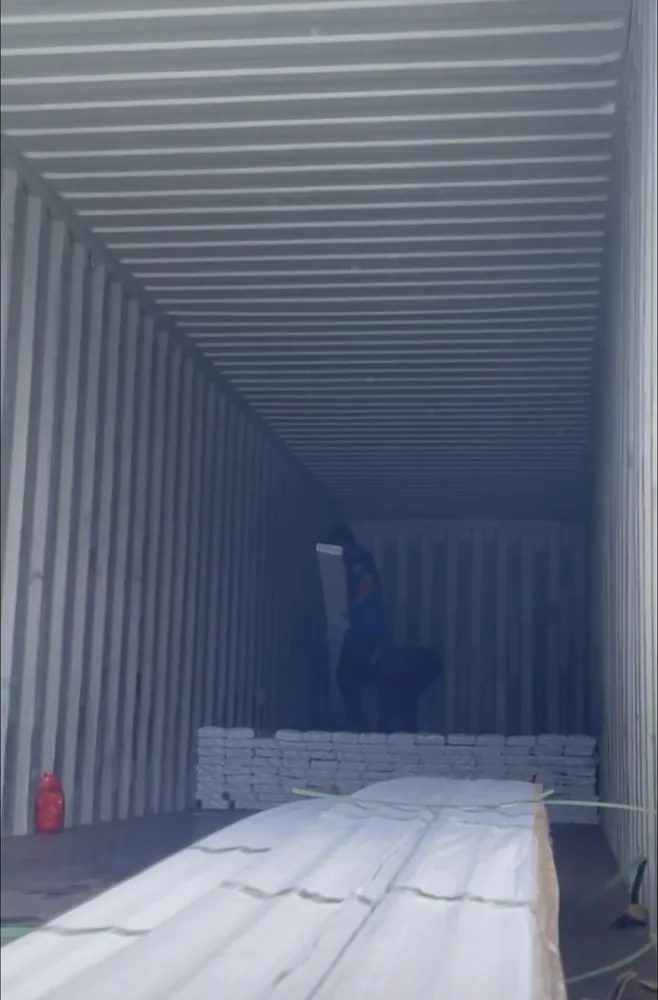
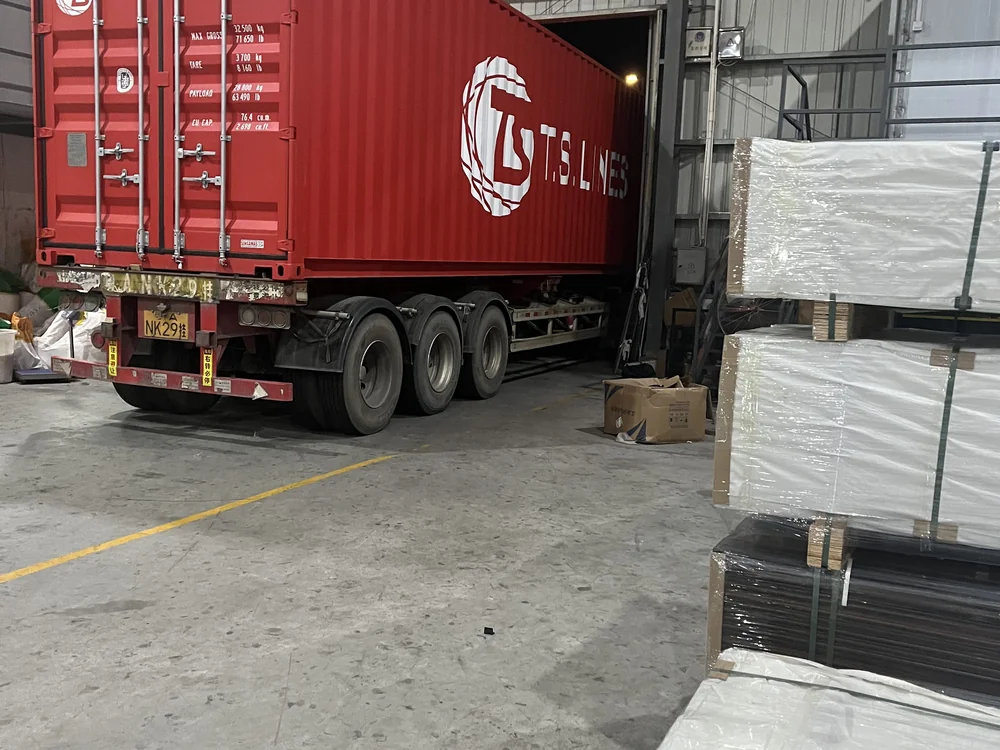
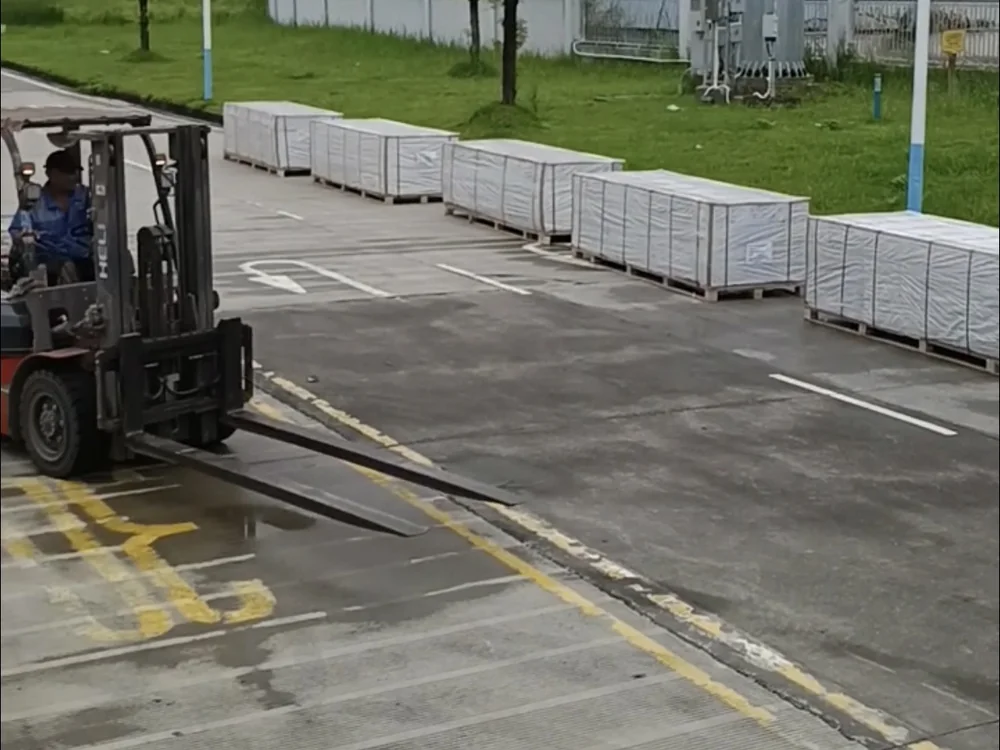
For this July 2026 shipment, the Canadian customer ordered a full container of WPC decking boards with matching clips, joists and edge trims, packed at our Anping factory. Every bundle was film-wrapped against moisture, corner-protected and steel-strapped to survive the long ocean voyage and rail transfer across Canada. The customer sent back these photos after the container arrived, confirming the packing did its job.
Canadian buyers judge decking by lifecycle cost, not sticker price, and composite wins that calculation year after year. We are proud to supply this customer’s market and welcome more Canadian distributors and contractors to work with our factory directly.
As a direct WPC factory, we support Canadian importers with OEM colors, embossed wood-grain finishes, custom board profiles and complete clip-and-trim systems, backed by consistent batch quality. If you are sourcing composite decking for the Canadian market, contact us for samples, test data and a container quotation.