Australia’s demand for low-maintenance, sustainable outdoor building materials is growing steadily. Market research values the Australian wood plastic composite market at over USD 130 million in 2025, with a projected annual growth rate above 8 percent through 2034. Fencing, decking and cladding for homes, schools, parks and resorts are the largest applications, and government procurement increasingly requires durable, environmentally responsible materials.
The reasons are easy to understand. Australia has some of the highest UV levels in the world, and unprotected timber fades and cracks quickly. Termites are a constant threat to wooden fences in most states. In bushfire-prone areas of Victoria, New South Wales and Western Australia, building codes push owners toward materials with better fire behavior than raw timber. Along the coast, salt air corrodes ordinary metal fixings and stains painted surfaces. A fence in Australia works harder than almost anywhere else.
WPC fencing answers these challenges directly. Our fence boards are extruded from a blend of recycled wood fiber and recycled HDPE with UV stabilizers, then protected by a co-extruded polymer cap on all four faces. The material does not rot, does not attract termites, absorbs almost no water and keeps its color far longer than painted timber. Maintenance is reduced to an occasional wash with a garden hose – no sanding, staining or sealing, ever. For coastal and poolside installations, composite boards are unaffected by chlorine splash and salt spray.
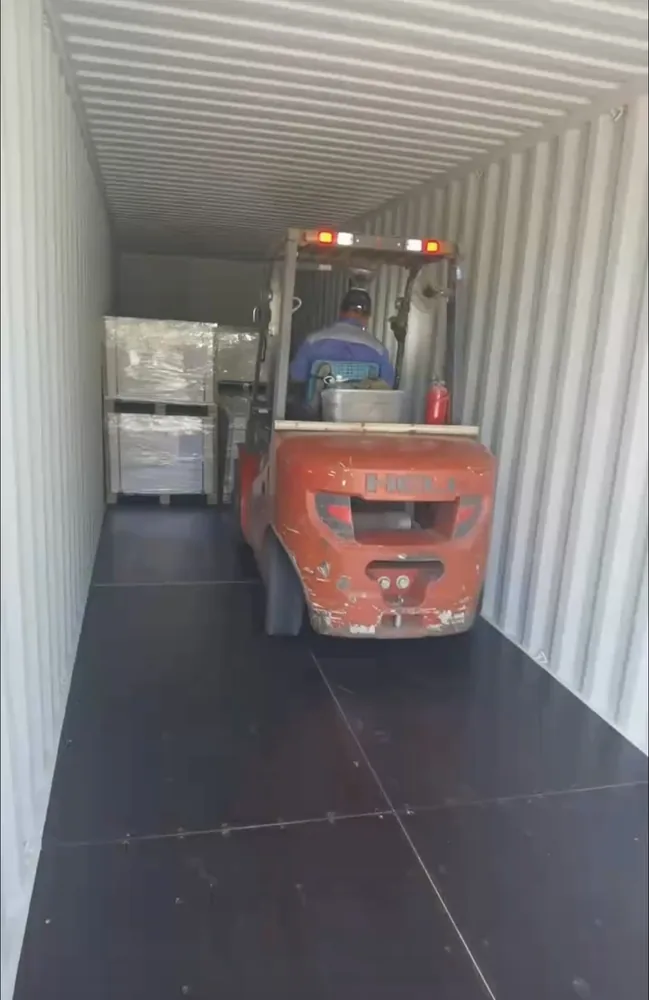
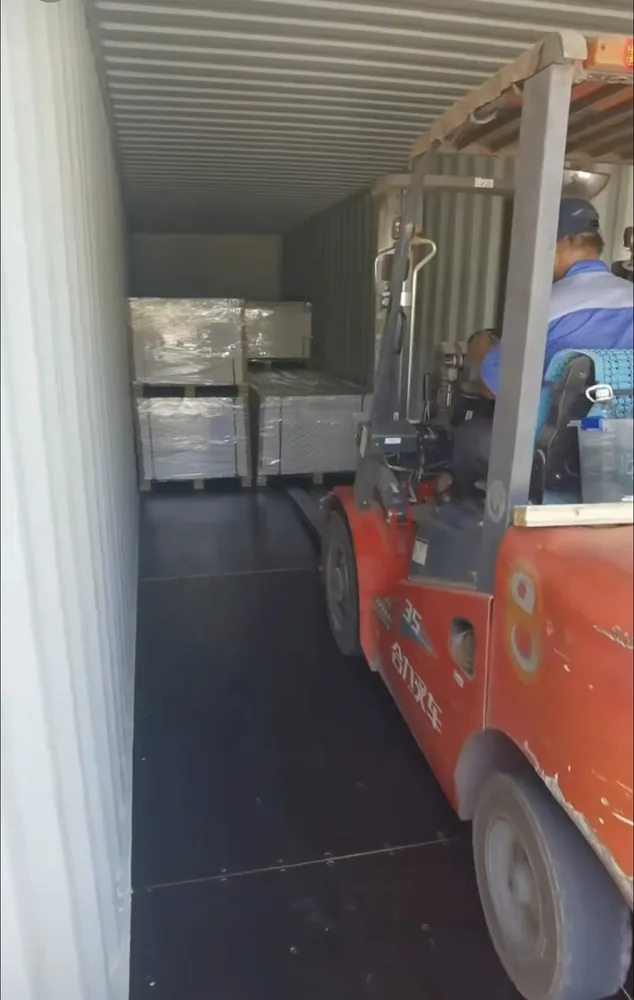
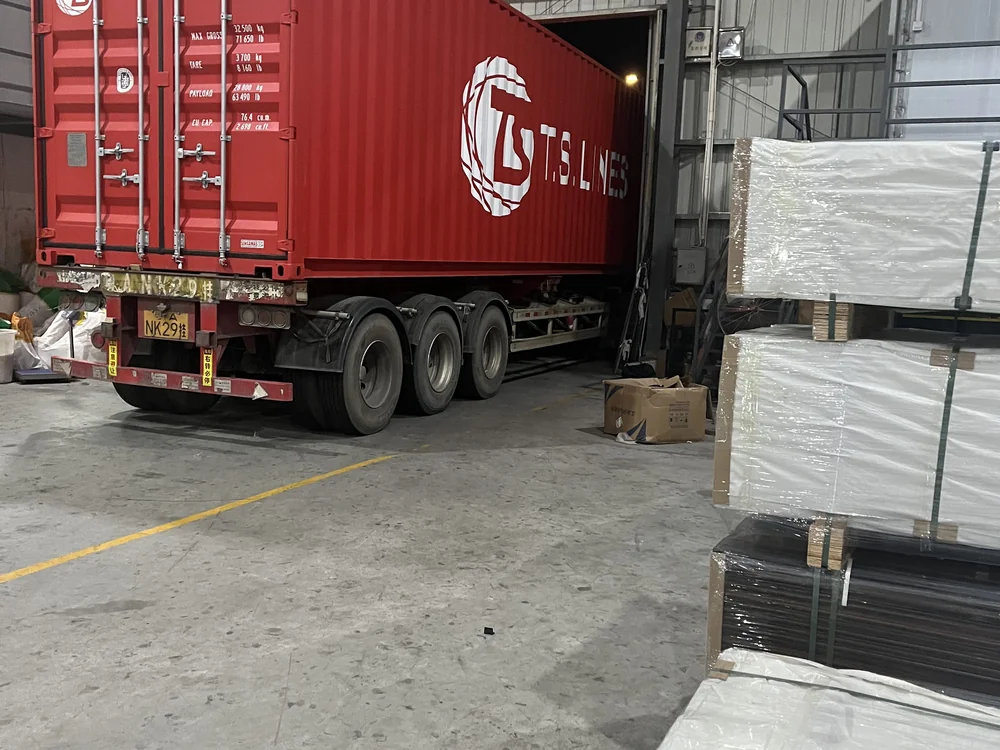
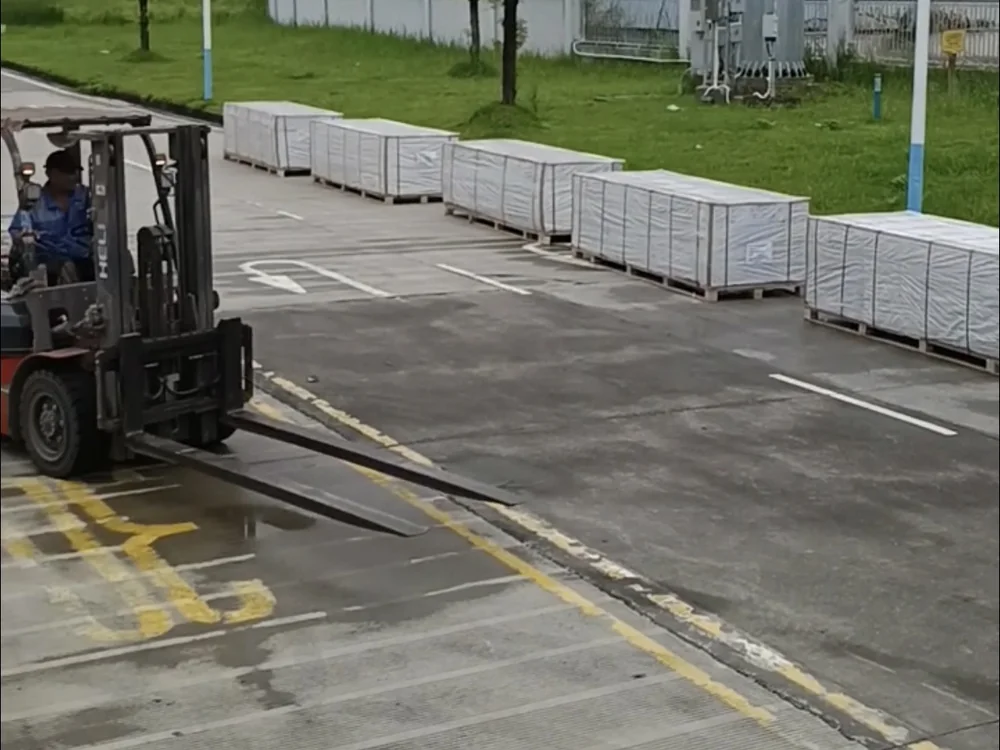
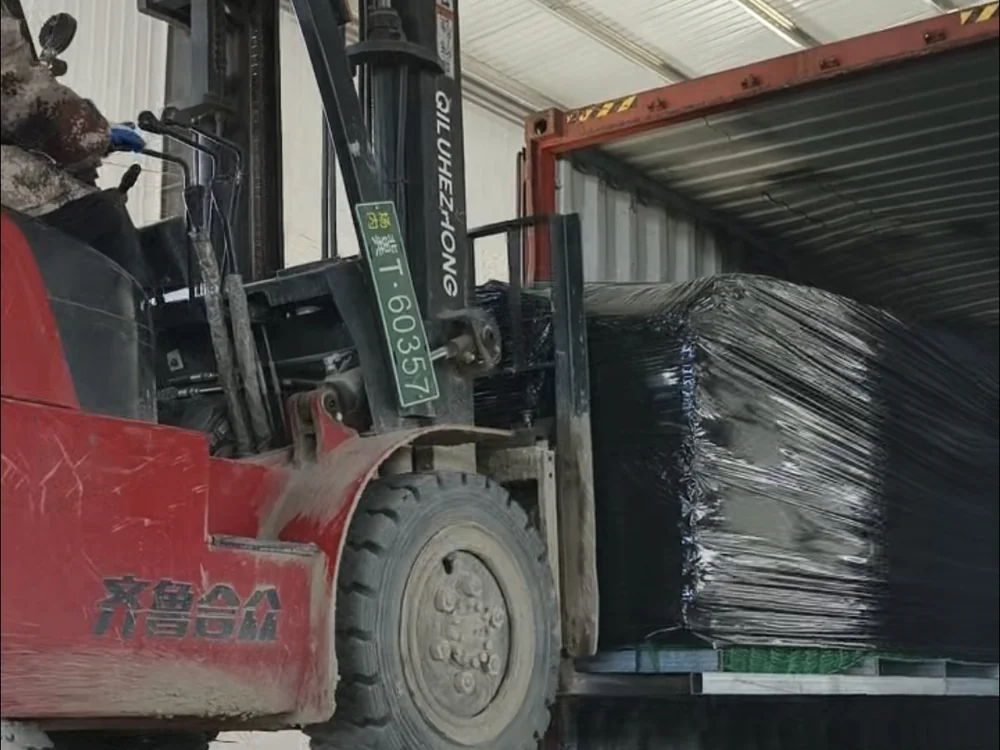
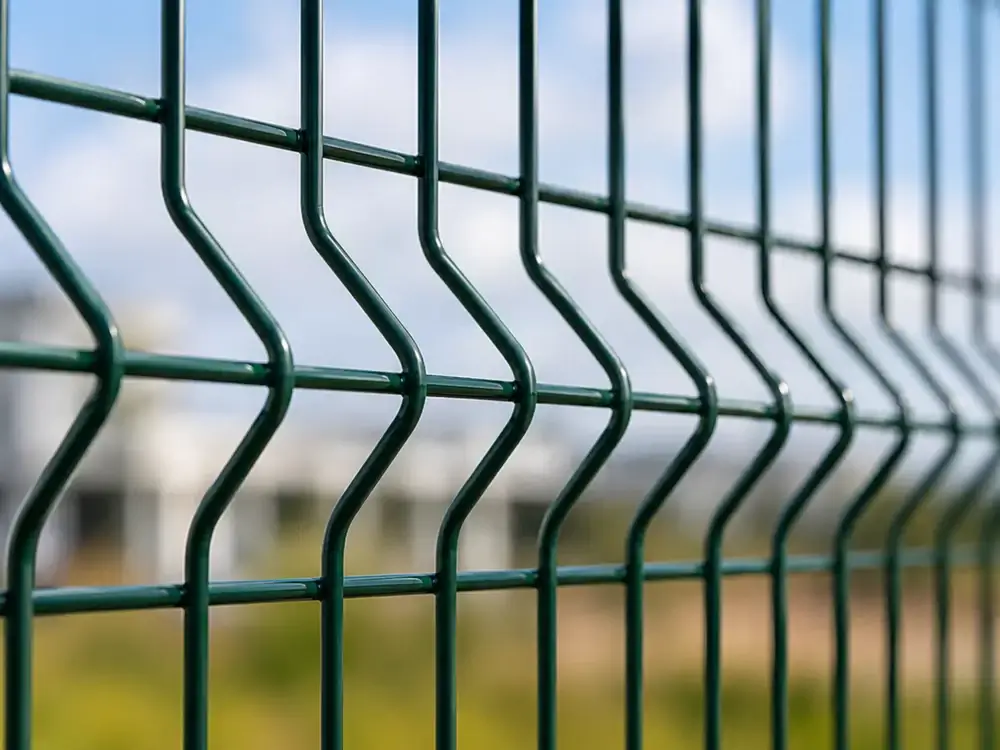
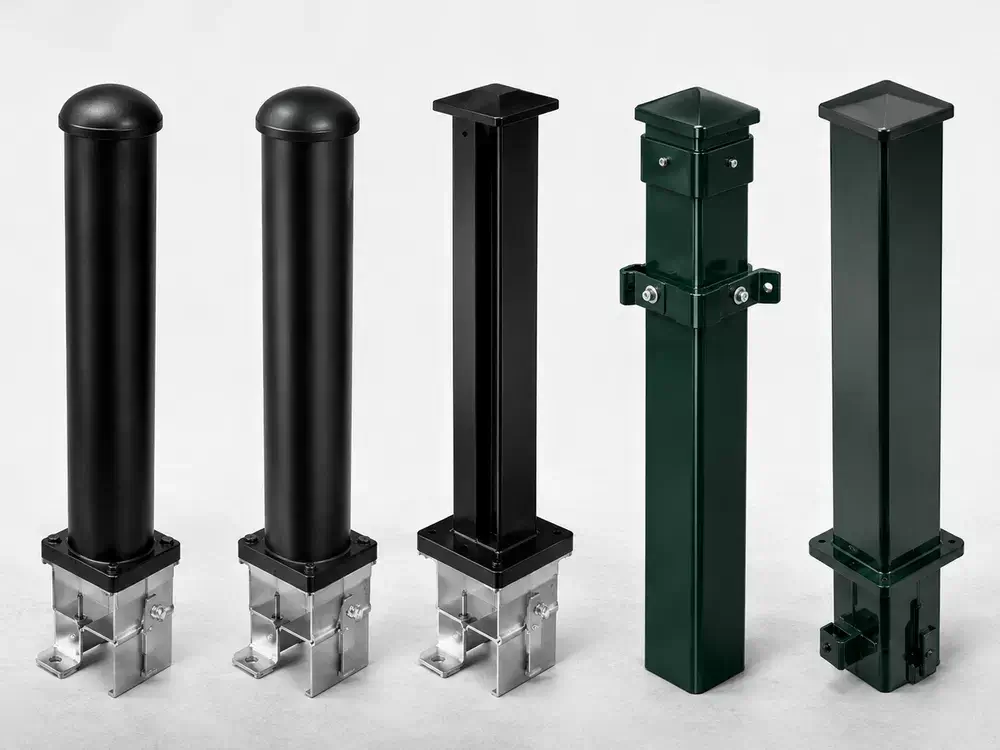
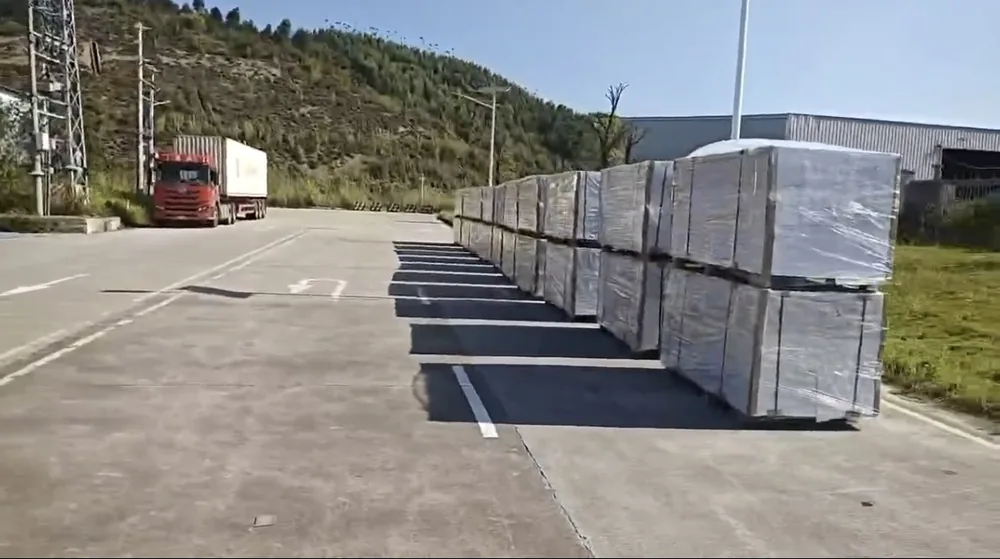
For this June 2026 shipment, our Australian customer ordered a complete privacy fence system: WPC boards, aluminum-reinforced posts, rails, caps and stainless fixings, all packed bundle by bundle at our Anping factory. Each bundle was film-wrapped and corner-protected so the embossed wood-grain surface would arrive scratch-free. The customer sent back these loading and arrival photos as confirmation.
Australian buyers are increasingly choosing composite fencing not as the cheapest option, but as the best whole-of-life value for front yards, resort boundaries, commercial landscapes and shared residential privacy fences. We are proud that our factory’s product now stands in the Australian sun, and we welcome more partners from Australia.
As a direct WPC factory, we support Australian distributors with OEM colors, wood-grain textures, custom lengths and full accessory kits, plus co-extrusion capped options for premium projects. If you are sourcing composite fencing for the Australian market, contact us for samples, specifications and a container quotation.